


Building Your Industry Profile: What Chris Foster Tells Barbers
An editor needs a bio and a high-resolution portrait by Friday. Two barbers are in the running for the page. One sends a folder within the hour. The other is still scrolling a phone for a usable photo from a show three years ago. By Monday, only one of them is in the magazine.
Chris Foster has built much of his working life around that gap. Building your industry profile, in his framing, isn’t a reward that arrives once you’re established. It’s the groundwork that makes the opportunities reachable in the first place. Foster is a men’s hair specialist and educator, known across the UK trade as The Profile Guy, and a cofounder of the barber mentoring platform Mentored by Menspire.
His argument lands differently in an American context, because most of this industry is already running its own business. About 80 percent of U.S. barbers and 48 percent of hairdressers, hairstylists and cosmetologists are self-employed, according to the Bureau of Labor Statistics. The agency’s wage figures don’t cover self-employed workers at all — a useful reminder of how much of this trade’s income sits outside the conventional payroll picture, and how much of it depends on being findable.
A website you actually control
Foster puts a personal website at the top of the list, and his reasoning has less to do with design than with ownership. A branded site carrying your own name lets you “control the narrative and tell your own story.” A social feed can’t do that job alone; as he puts it, it’s “only ever a snapshot of what you offer.”
A site also holds the things a feed handles badly: a body of work rather than a recent post, a record of experience, and a clear statement of the kind of work you’re looking for next. There’s a plainer signal in it too. Every professional business has a website, so the absence of one reads as a gap.
The media kit, and the price conversation
A media kit, in Foster’s view, takes the awkwardness out of being asked what you charge. It sits on the site and shows a brand or a client exactly what you offer before anyone raises money. Images, services, the specific skills you bring — all of it in one document you can send without rewriting an email each time.
On rates, his rule of thumb is to “charge three times your daily salon rate.” The multiplier covers the salon clients you aren’t servicing while you’re on set, which means you stop underselling yourself by default.
Treat it as a starting figure rather than a market rate. Usage, licensing, travel, and the type of client all move the number in practice. Still, it gives a freelancer a defensible basis for the conversation, which is more than most walk in with.
A bio and a headshot, ready to send
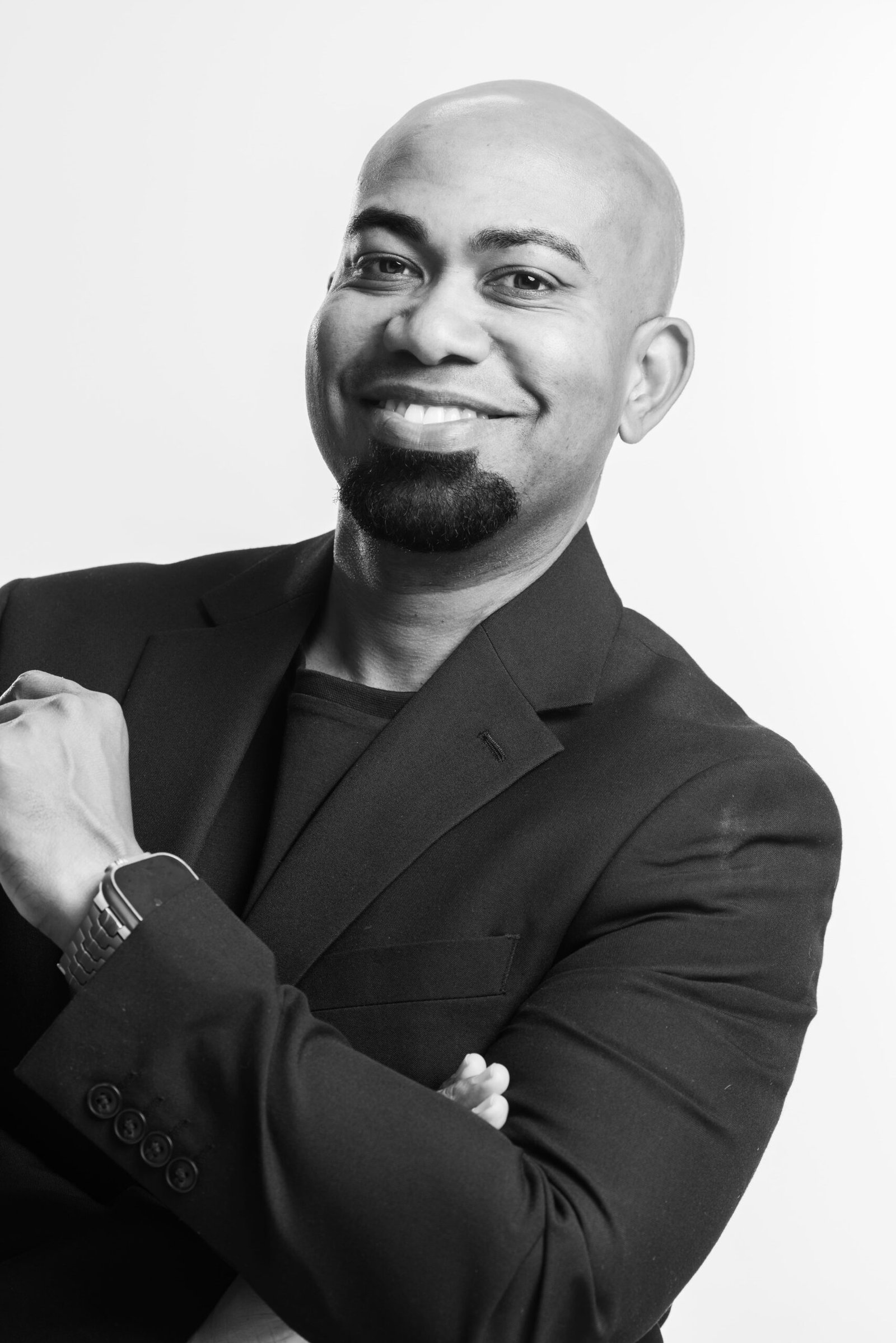
You never know when a media or PR contact will need information about you, so Foster’s position is to write it before anyone asks and keep it on your website. A good bio states what you represent and where your expertise actually sits. Alongside it, keep a current, professional portrait ready to send for editorial use.
“Being prepared makes you look professional,” he says, and it means you aren’t scrambling when something lands.
From a magazine’s side of that process, the hold-up is rarely the hair. It’s a missing credit line, or a portrait that only exists at screen resolution.
Decide what you want to be known for
Foster’s fourth point is about focus: work out what you want your name attached to, then build content around it. A blog, or even two or three finished articles, demonstrates the knowledge rather than claiming it.
The practical value is readiness. When a PR or a publication comes looking for content and you have something to hand immediately, that can decide the commission. Scramble to write from scratch, miss the deadline, and you may not be on the list next time.
Social media as evidence, not portfolio
Strong social channels do two jobs at once. They give instant social proof, and they help the algorithm surface you to the brands, sponsors, editors and PRs who are, in fact, looking through those assets before they make contact.
Which is why Foster pushes past the habit of posting finished hair and nothing else. Show the expertise, the personality, the point of view. The channels should carry the same story the rest of your profile is telling, not a separate one.
The showreel
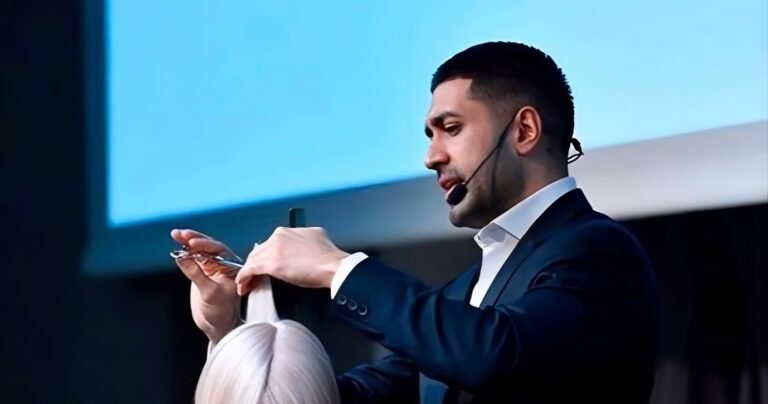
A showreel matters most if you want stage work, education or platform presentations. It gives a potential collaborator an immediate sense of what you can do, and it travels easily when an opportunity comes up.
It also works before you do. Play it and you step out to a room that is, in Foster’s words, “already impressed, already primed” for the performance about to start.
Start building your profile early
The mistake Foster sees most often is waiting. Hair professionals hold back on showing what they’re capable of until they feel senior enough to deserve the attention. “You have to start showing what you can do early” in a career, he argues, rather than later.
Foster has spent roughly three decades in men’s hair, with a route that runs from creative-director roles in London men’s grooming salons to fashion work for houses including Gucci, Dior and Versace, and clients including Usher, Sam Smith and Kim Jones. He holds a Master Craftsman award presented at the House of Commons, is a three-time Black Hair & Beauty Barber of the Year and a Barbering Hall of Fame inductee, and sits on the executive board of the Fellowship for British Hairdressing as head of technology. Mentored by Menspire, which he founded in 2026 with Josh Lamonaca and Samuel Palmer, runs as an annual-membership mentoring community for barbers rather than a series of standalone classes.
None of the work he describes is glamorous. The folder that goes out on a Friday afternoon gets built months before anyone asks for it.